
An Introduction to Professional Plumbing Services
Professional plumbing services encompass an array of works related to installation, repair, and maintenance of pipes, fittings, drains, and other apparatus for water supply, heating, and sanitation in residential, commercial, and industrial buildings. When you hire professional plumbers, you can expect them to provide high-quality services, use the right tools and equipment, and adhere to the highest standards of safety and hygiene. These experts are trained to handle a range of challenges, from minor leaks to complex pipe installations.
The primary aim of professional plumbing services is to ensure seamless water flow and functionality of your plumbing system. They make sure that clean water reaches every faucet in your property and wastewater is correctly directed to the sewer. Their role is critical in maintaining the health of your pipes and fixtures, thereby enhancing the longevity of your plumbing setup and saving you from costly repairs or replacements in the long run.
Moreover, professional plumbing services are not just about fixing problems. They also guide you in making informed decisions about your plumbing system. They provide valuable advice on the best materials, technologies, and practices, keeping in mind your specific needs and budget. They also help you understand the importance of regular maintenance and early detection of issues to avoid major disruptions.
The Importance of Choosing a Skilled Plumber
A skilled plumber is the backbone of an efficient plumbing system. They possess the technical know-how to diagnose and fix a variety of plumbing problems accurately and quickly. They are equipped with the necessary training and experience to handle all sorts of plumbing issues, from the simplest to the most complicated. Without their expertise, your plumbing system might suffer from frequent breakdowns, leading to inconvenience and heavy repair costs.
A skilled plumber can also help you plan and implement a robust plumbing system for new constructions or renovations. They can review your architectural plans, suggest the most suitable fixtures, and ensure that the systems align with local building codes. In this way, they provide a secure and cost-effective solution that is also environmentally friendly.
Moreover, choosing a skilled plumber gives you peace of mind. You can trust them to do the job right the first time and deliver long-lasting results. They can identify potential issues before they become major problems, thereby saving you time, effort, and money. Professional plumbers also offer warranties on their work, further ensuring the reliability of their services.
Understanding Different Types of Plumbing Services
Professional plumbing services can broadly be categorised into residential, commercial, and industrial plumbing. Residential plumbing covers all plumbing work in homes, from installing sinks and showers to repairing leaks and drains. Commercial plumbing, on the other hand, involves larger-scale projects in offices, retail stores, and other business establishments. Industrial plumbing caters to factories and industries where complex piping systems are required for production processes.
Another way to classify plumbing services is by the type of work. Installation services include setting up pipes, fixtures, and appliances in new constructions or during renovations. Repair services involve fixing any problems in the plumbing system, such as leaks, blockages, or faulty components. Maintenance services focus on regular check-ups and preventive measures to keep the system in good working condition.
Specialised plumbing services are also available for specific needs. This includes gas plumbing, involving the installation and repair of gas lines, and green plumbing, which promotes water and energy efficiency. Emergency plumbing services provide immediate assistance for urgent issues that can cause significant damage or pose health risks.
Essential Plumbing Tools and Their Uses
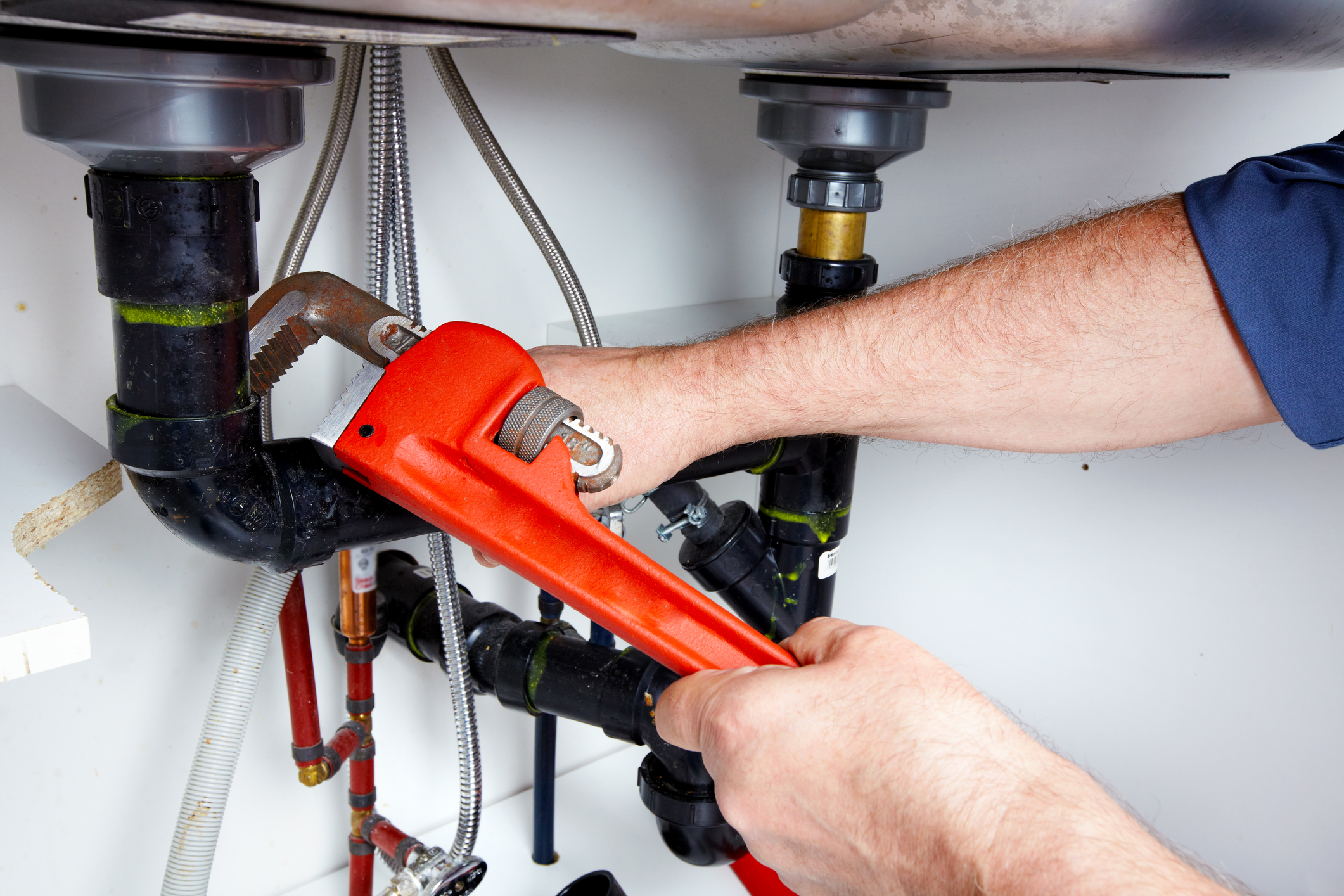
Professional plumbers use a range of tools to carry out their work efficiently and effectively. Some of the common ones include pipe cutters for cutting pipes to the desired length, wrenches for tightening and loosening fittings, and plunger for clearing clogs in drains and toilets. There are also specialised tools such as pipe benders for creating specific bends in pipes, and inspection cameras for viewing inside pipes and drains.
In addition to these, plumbers use a variety of power tools and machines for heavy-duty tasks. For instance, drain snakes and hydro-jets are used to remove stubborn blockages in drains, and pipe threaders are used to create threads on the ends of pipes for connecting fittings. Moreover, they use detection equipment to locate hidden leaks or pipe locations without causing unnecessary damage to walls or floors.
The use of these tools not only ensures precision and speed in the work but also minimises the risk of damages and errors. It is important to note that these tools should be handled by trained professionals, as incorrect use can lead to injuries or further complications in the plumbing system.
The Process of Pipe Installation and Replacement
The process of pipe installation begins with planning the layout of the system, which includes determining the route of pipes, location of fixtures, and type of pipes to be used. The next step is to cut the pipes to the required lengths and bend them as per the layout. The pipes are then assembled using various fittings and fixtures, and securely fastened to walls or floors. After the installation, the system is tested for leaks and proper flow of water.
Pipe replacement, on the other hand, involves the removal of old or damaged pipes and installing new ones in their place. This process requires careful planning to minimise disruption to the property and ensure seamless integration with the existing system. The old pipes are cut and disconnected from the system, and the new pipes are fitted in their place. The system is then tested to ensure correct operation and absence of leaks.
Both installation and replacement of pipes should be done by professional plumbers to ensure proper execution and compliance with building codes. They have the skills and tools to carry out the task efficiently, and can provide valuable advice on the best materials and methods for your specific situation.
Insight into Emergency Plumbing Services
Emergency plumbing services are designed to provide quick response and resolution to urgent plumbing issues that can cause significant damage to your property or pose health risks. These services are available 24/7 and are equipped to handle a wide range of emergencies, from burst pipes and severe leaks to backflow problems and overflowing toilets. They arrive at your location as soon as possible and take immediate action to control the situation and prevent further damage.
The benefit of emergency plumbing services is that they not only fix the immediate problem but also determine the root cause and provide long-term solutions. They have the tools and expertise to diagnose complex problems under pressure and make critical decisions quickly. They are also trained to work safely in emergency situations and take necessary precautions to protect your property and occupants.
However, emergency services can be more expensive than regular services due to the urgency and complexity involved. Therefore, it is advisable to maintain your plumbing system regularly and address minor issues promptly to avoid emergencies. But if an emergency does occur, you can count on these professionals to restore your plumbing system and peace of mind swiftly.
Tips on Maintaining Your Plumbing System
Regular maintenance is key to the health and longevity of your plumbing system. This involves periodic checks of all components of the system, including pipes, drains, faucets, showers, toilets, and appliances. Look for signs of leaks, corrosion, blockages, or wear and tear, and fix any issues as soon as they are detected.
Another important part of maintenance is cleaning your drains regularly to prevent clogs and bad odours. Avoid disposing of grease, food scraps, hair, and other debris into your drains, and use drain cleaners and plungers to remove any build-up. Also, make sure to check your water pressure regularly and adjust it if necessary to prevent strain on your pipes and fixtures.
Lastly, consider scheduling professional maintenance services at least once a year. They can perform a thorough inspection of your system, detect hidden issues, and provide expert advice on any necessary repairs or improvements. Remember, preventive maintenance is much cheaper and less disruptive than major repairs or replacements.
How to Choose a Reliable Plumbing Service Provider
Choosing a reliable plumbing service provider is critical to the success of your plumbing projects and the durability of your system. Begin by checking the credentials of the provider. They should be licensed and insured to provide plumbing services in your area, and have a team of certified professionals with proven experience and skills. They should also adhere to the latest standards and regulations in the industry.
Next, consider the range and quality of services they offer. They should be able to handle a variety of plumbing issues, from minor repairs to major installations, and provide specialised services as per your needs. They should use high-quality materials and advanced tools to ensure superior results. Furthermore, they should offer warranties on their work and provide prompt and reliable customer service.
Lastly, look at their reputation and track record. Check customer reviews and testimonials to get an idea of their workmanship and professionalism. Ask for references and contact their previous clients to verify their claims. Also, evaluate their pricing structure to ensure it is transparent and competitive. By taking the time to research and evaluate your options, you can find a plumbing service provider that meets your expectations and gives you the best value for your money.